Analysis & Automation
Translate approved methods, equations, assumptions, and review logic into repeatable engineering software.
Purpose-built applications for mass properties, flight sciences, engineering analysis, simulation and test data, integration, and controlled program workflows.
Aerospace software development applies software engineering to a defined aircraft, defense, space, or aviation workflow where technical accuracy, traceability, security, verification, and long-term maintainability matter.
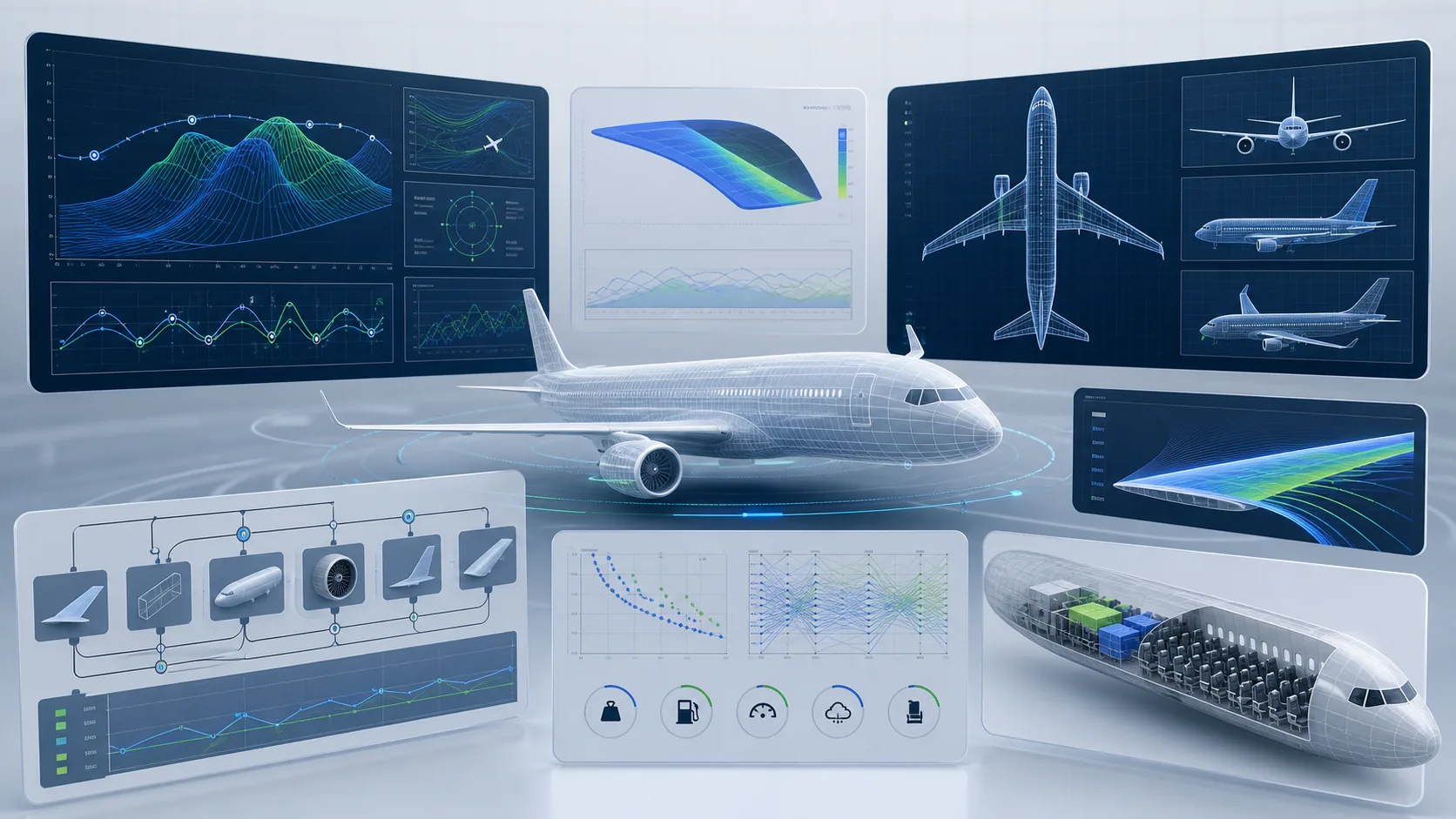
Each engagement begins with the aerospace problem, technical users, data, calculations, interfaces, assurance needs, and operating environment. Architecture and technology choices follow those requirements.
Translate approved methods, equations, assumptions, and review logic into repeatable engineering software.
Connect approved sources, models, suppliers, and systems through defined schemas, interfaces, and validation rules.
Plan software verification, acceptance evidence, change history, issue handling, and review responsibilities.
Design for the target environment, security posture, release process, documentation, training, maintenance, and support.
Controlled access, configuration context, technical evidence, integration constraints, and sustainment across long program lifecycles.
Mass budgets, trajectory and performance data, test results, subsystem exchanges, mission analysis, and review automation.
Engineering analysis, aircraft modifications, fleet and MRO data, operational decision support, and controlled reporting.
Merchuian focuses on aerospace, defense, space, and aviation workflows involving engineering analysis, technical data, controlled processes, and decision support. The discovery session establishes the users, inputs, outputs, methods, and assurance level for the specific engagement.
Verification planning starts with approved requirements, reference calculations, representative test cases, acceptance criteria, and technical review responsibilities. The specific evidence and sign-off process are agreed for each program.
Bring the target network, access, update, hosting, and data-residency constraints into discovery. Merchuian will confirm an appropriate deployment approach and identify any controls that need program-specific validation.
The sustainment plan can cover architecture records, source control, release management, automated tests, user documentation, training, support ownership, upgrades, and technology-obsolescence risks.
Start with the engineering objective, users, source data, required calculations, interfaces, security environment, verification evidence, and operational constraints.